2014-02-06

Recognizing Roadblocks in Weight Loss


I've just read an interesting item from AHA but I'm not quite agreeing with their advice,  entirely.
Here is mine, based on my own experience. Your experience might be different, who knows?

"If I go to a buffet, I just can’t control how much I eat."
Don't rush to fill your plate like you haven' t eaten for days. Anyway, it's not "elegant". If possible: select from the buffet what looks healthier and arrange small portions on your plate, artistically,  following the rule: a quarter of the plate some proteins, half the plate veggies and fruits, a quarter of the plate starches or, much better, beans or nuts. Take your time. Eat slowly, don't rush for a second serving, or if you do, try other foods. Better be only proteins and veggies or nuts, the second time, they'll cut hunger.

"I usually grab something on the way home from work because I am so tired, I don’t feel like cooking."
Cooking your meals, if you're not used to do it, it's the most difficult change in your life.
Start simple: salads, stir-fried lean meats, mushrooms, canned beans, canned egg-plant or favorite veggies.
Take your time to shop once a week and fill your fridge with healthy vegetables, fruits, lean meats, low fat cheese a.s.o.
Even if you're dead tired, it takes less than an 1/4 hour to fix  a healthy sandwich and a salad. Add a fruit, an yogurt, a handful of nuts.
Then learn to make a soup. Any soup. You can make enough meat and vegetable stock to last a week and use it to prepare quickly soups. Add tomato juice and a handful of cooked pasta or par-boiled rice and you have tomato soup. Or, add a handful of cooked par-boiled rice, an yogurt and a whisked egg and you have a "Greek" soup. Add a bit of spinach and broccoli and you get a "green" soup.
Or don't add anything else, just a squeeze of lemon.
You can learn more recipes, whenever you have the time. Just keep it simple.

"Cravings for sweets and salt is a bit difficult to get rid of, but you can do it in two weeks if you're determined to change your lifestyle." Drinking a glass of water is always good but I doubt it will help with your cravings.
I suggest the South Beach Phase I for sweet or starchy cravings.
It will take 1-3 weeks but IT WORKS.
Cut sugar and sugar replacements from your recipes!
Salt is a different story. First of all, you have to read carefully the labels and skip salty food, at least for a while.
Try to avoid processed meats. No chips - cut them out.
If you're cooking your own  meals, change your recipes. Add less and less salt. Replace at least part of the salt with spices and herbs. Lemon juice is a great replacement.
Don't add salt to a green salad, but lemon juice. It'll be more crispy.

"I love dessert. I can’t give it up!"
Oh, yes you can. If after 2 weeks of SB Phase I diet you still can't resist a dessert,  always ask for a small portion. Eat verrrryyy slowly and try to stop after three bites. Maybe it'll work :D
Try eating a piece of fruit instead of a "classic" dessert. Once in a while, indulge yourself and don't feel guilty about it.
Once a month in a diet for life isn't quite like a drop in the ocean but it won't fatten you. Take care what else you eat that day and exercise a bit more the next day.

"I don’t like working out. It’s boring."
Oh, come on! What do you want your life to be like when you're old? Or in ten years? I like that Glasbergen cartoon: "What fits your busy schedule better: exercising 1 hour a day or being dead 24 hours a day?"
Of course you can find some exercise and make it less boring. Just walking half an hour a day in fresh air can make the difference. Invest in a music player or a camera or a dog, to make walking more interesting. Invest in a pedometer and compete with others. Try swimming. Any physical activity is better than sitting  all day long. "Any" is the magic keyword.


2014-01-19

Portion Size

Portion size counts, this is generally accepted.. 


But it could be awfully boring and stressing  to weight everything that goes on your plate, all the time


A fine trick of all diet has been to associate portion size with objects form everyday life.  Like a meat portion is a pack of card size, a pasta portion is like a tennis ball, a veggie size is what goes in a bowl, a potato portion is the size of a computer mouse a.s.o.  

But... We do have cups and bowls all sizes.  Computer mouse? A disappearing specie. 
At the beginning of your diet is a good thinking to choose recipients and a method to measure your portions.

A cup size is defined here http://en.wikipedia.org/wiki/Cup_(unit)

I'm in Europe so I use a 250 ml cup. USA cups are around 240 ml. 
The difference won' t fatten me, I'm sure.
A bowl is a cup and a half.


I'm using this chart and rules to quickly size my meals:


Beans: 1/3 bowl
Veggies: what goes in my both hands
Meat: half my hand 
Fish: my whole hand
Cheese: my thumb
Dairy: 1 yogurt unit or a cupa of milk or kefir
Bread: 1 slice
Pasta, rice, other starches: what would fill my cupped palm or 1/3 bowl
Nuts: what would fill my cupped palmWine: 1 glass if you're a woman, 2 glasses if you're a man, but not everyday.Other liquors? Just a dash, a taste now and then.
Sweets: no more than 100 calories a day and it better be dark chocolate.
Fruits: one of these 1 apple, 1 mandarin, 4 apricots, a cup of grapes, a cup of cherries or raspberries a.s.o.


Portions are really small, shocking isn' t it? But don't worry. You are not supposed to suffer hunger in a correct diet. You will feel better in time. You can find more in Dr Agatston's  book about the South Beach diet or on the South Beach Community site. 
A quick way to solve portioning is to place food on your plate using these simple rules:
 - 1/4 plate, a protein portion (eg. meat, fish)
 - 1/4 plate, starches or beans, 
 - 1/2 plate, veggies

For example, 1 portion of chicken meat, a similar portion in size of rice, and veggies twice as much in size.  

Use some artistic skills to make your plate look like in a good restaurant. Eat slowly and go for more only if you're still hungry.
Better wait for 10 minutes and then decide if you want some more food.
Your brain need time to process signals from your body and decide if more fuel is necessary.

This could work also in your vacation, to help you eat as usual, even there are many temptaitons.


Nature's Diet Pills: Peanuts


Peanuts provide over 30 essential nutrients and phytonutrients. They’re a good source of many vitamins and minerals and contain 25% protein. 

Roasted peanuts rival the antioxidant content of blackberries and strawberries, and are far richer in antioxidants than carrots or beets. Natural sources of fiber and with a very low glycaemic index, they have also the reputation to lower LDL cholesterol.

They are filling,  meaning hunger is tamed for much longer, and therefore fewer calories are consumed in the long-run.

But… there’s always a “but” with good food, isn’t it?
One serving of peanuts should be only a small handful or 2 tbsp of peanut butter. This means around 200 Kcal, quite a lot!


Take care also what brand you buy. Some add a lot of salt or, worse, peanut butter is “enriched” with sugar or even hydrogenated fats.

One funny fact: Peanuts are not nuts but legumes, like beans.

PS. A delicious healthy snack: peanuts or peanut butter with a bit of cheese ( cottage cheese or Swiss Cheese are fine). A fruit with it won't hurt.


Mărimea porțiilor

Mărimea porțiilor contează, cu aceasta este de acord toată lumea. 

Ar fi însă teribil de plictisitor și stresant să cântărești tot ce mănânci, tot timpul.

O găselniță grozavă a dietelor de slăbire și menținere a fost să se sugereze mărimea porției prin comparaţie cu alte obiecte din lumea înconjurătoare: o porție de carne = cât un pachet de cărți de joc, o porție de paste = cât o minge de tenis , o porție de legume = cât încape într-o cană, un cartof = cât un șoarece de calculator etc.

Dar... Avem în mod sigur șoareci de calculator de dimensiuni diferite, dacă îi mai avem, și o colecție de căni si boluri de toate dimensiunile posibile. 
Așa că, la început de dietă,  trebuie sa-ți  alegi recipientele și metodele proprii cu care să măsori porțiile.

Eu folosesc urmatoarele recipiente:
1 cană = 250 ml
4 căni = 1 l
1 pahar = 150 ml
1 bol = 375 ml (o cană și jumătate)
1 lingură = 3 lingurițe
1 lingură = 15 ml


Vegetale: 1 bol sau cat incape în 2 palme
Carne: cât jumatate din palma sau 100g
Pește: cât o palma
Brânză albă: cat 2 degete mari
Svaiter: cât un deget mare
Lactate: 1 iaurt mic sau o cana de lapte/ kefir
Paine: 1 felie de 25 – 30 g
Paste, orez si alte cereale: cat incape in palma sau 1/3 bol.
Leguminoase: 1/3 bol 

Alune, nuci, fistic etc: cat incape in palma. Cam 20 de alune.
Vin, bere: 1 pahar daca esti F, 2 pahare daca esti B, dar nu in fiecare zi 
Băuturi tari sau dulci: cât mai rar și numai o gură
Dulciuri: in limita a 100 calorii pe zi, dar nu in fiecare zi. De preferinta, ciocolata neagră, 3 tablete mici.
Fructe: 1 măr, 1 mandarină, 4 caise, un strugure cât palma, o cană de vișine sau zmeură, o cană de pepene galben, cam pe aici.


Porțiile par teribil de mici, dar nu te speria. Dacă urmezi o dietă corectă, îți ajung, nu mori de foame și te vei simți chiar mult mai bine. Afli mai multe detalii în cartea Dr. Agatston, despre dieta South Beach. Se găsește încă în librării și nu costă chiar asa de mult. Eu am cumpărat-o de aici la promotie.
Un mod rapid de a rezolva porționarea este să aranjezi mâncarea pe farfurie după schema: 
 - un sfert de farfurie,  proteine, 
 - un sfert de farfurie, cereale sau leguminoase, 
 - o jumatate de farfurie,  vegetale. 

De exemplu, 1 porție de carne  (nu uita, o jumătate de plamă), o grămăjoară de dimensiuni similare de "balast" (orez, cartofi, paste sau boabe) și  2 grămăjoare mai mari de legume proaspete. 


Aranjează-ți artistic mancarea pe farfurie, ca la restaurant, mănîncă încet și suplimentează cu altceva, numai dacă îți mai este foame. Dacă poți, așteaptă un pic înainte de a te repezi să umpli din nou farfuria.  Creierul tău are nevoie de timp pentru a digera informațiile primite de la restul organismului și de a decide dacă mai este nevoie de combustibil.
Este o idee  bună și pentru vacanțele tale all-inclusive. Te ajută să depășești sindromul  găina-în-grămadă.


Nature’s Diet Pills: Raspberries


Rasberries are included by many among the world’ s healthiest foods. They have a low-glycemic index (so they fill well) and contain among the highest proportion of dietary fiber (20% fiber per total weight).

A portion of raspberries, a bowl, will bring you half of the Vitamin C needed.  Raspberries contain a phytochemical, ellagic acid, believed to have anticancer properties.

New research rave about raspberries ketones, stating they’re able to block fat and carbs from being turned into extra pounds.
But don’t rush to buy ketone pills, which might be dangerrous to your health, better eat the fruit.

If you buy frozen berries, look at the label and make sure sugar and additives are not added.


All in all, berries are a great source of antioxidants and should be a part of your recommended daily 1- 3 fruit portions as often as possible. Try them with yogurt or kefir, best dessert ever. 


ps. You might like also this http://www.muscleandfitnesshers.com/recipes/oats-raspberry-and-almond-parfait


2014-01-05

Nature's Diet Pills: Pop-Corn


Pop-corn is naturally high in fiber, minerals and antioxidants, low in calories and free of sugar.
A nice snack, provided you take care what brand you choose.
Sometimes large amounts of fat, sugar, and sodium are added which change it to junk food. Read the label before buying.

And keep this in mind: no more than a bowl, when you're on diet.


2013-12-30

Sour Meatball Soup


A simple and quick  soup, good for the next day after the New Year party. 
Excellent if you're on South Beach Phase I, too

Put in a pot whatever veggies you have in hand, with plenty of water, a few tbsp of oil and a dash of salt. Like a carrot, a red or any other color pepper, celery, celeriac, cabbage or cauliflower or Brussels sprouts, onion  a.s.o. 
Simmer for 20 - 25 minutes on medium heat.  Mix a pound or two of minced meat (any meat will do) with an egg, a tsp of black pepper, bit of salt. If you're not in SB Phase I, you can add also 1-2 tbsp of rice. Form meatballs and add them to the soup. Simmer for more 20 minutes on low heat. 

Now comes the best part, soup dressing. 
Use your imagination or...
Add  a cup of tomato juice and simmer for more 5 minutes. Cut heat. Add the juice from half a lemon and sprinkle with your favorite herbs. Let it rest for half an hour. 
or....
Add a whisked egg with an yogurt. Simmer for 1-2 minutes. 
Add the juice from half a lemon and sprinkle with your favorite herbs. Let it rest for half an hour.
or...
Do like Romanians do. Add the liquid of the sauerkraut (half a cup) and some of the sauerkraut. Simmer for 2-3 minutes more and sprinkle with herbs.  Let it rest for half an hour. You can serve it with a tbsp of sour cream and a sprinkle of herbs.
ps.  If you like broccoli or stir-fried mushrooms, add them when the soup is ready and simmer for a minute or two more. 
Enjoy!!!


2013-07-26

No Junk Food for Me, Please!

Yesterday was one of those days when I hate even the word diet and feel like eating anything as long as  it is "forbidden". So, how about a nice pizza?

I don't consider it "junk food". It's just food. Not the healthiest choice for sure, but since it's not in my daily menu,  I can indulge once in awhile.

In fact, what is junk food?

Ice cream? Cakes? Chocolate?  Ho, ho, you're on a dangerous ground. Who doesn't enjoy from time to time something sweet and delicious?

I have  other criteria to reject food as "junk" and fast food and candy do not  automatically qualify.

If the food label includes more than 5 ingredients or if that food contains colorants and other dubious chemicals, trans fat, hydrogenated fat, "artificial" stuff, corn syrup, added fructose, that food is out of my hands and my shopping basket with the speed of light. Including carbonated sweet drinks, colas, sodas, "natural" fruit beverages, whatever the names are.
I'm not happy either with food containing MSG or "taste enhancer". But I don't think that if I eat once or twice food with MSG I'll get fat or I'll have one of those headaches.

I avoid like plague the "addictive" foods. Those packaged snacks, chips, biscuits, cookies and sticks that once you start eating them you can't stop until you finish them. They might be tasty and attractive but they're usually empty calories with a lot of salt or sugar or substitutes and dubious fat stuff.
Only exception: from time to time, we have a pop-corn evening. Pop corn, as long as it's not too salty, and doesn't have artificial aroma and colors it's quite healthy (fibers, minerals a.s.o)

I hate foods which  contain sugar (or some other sweet stuff) and should not, since they're not desserts, like tomato sauces, salad dressings, mustard, beans a.s.o. I simply don't understand the American preferences. Why on earth pour over some nice colorful tasty crunchy veggie salad a sweet dressing? What's wrong with just a bit of lemon, pepper and olive oil?

These are "junk food" and are bad for your health and weight.

Before embarking on the journey from Fat to Fit, 
get rid of the "ballast": junk food.


Checklist


Oh, No!


  • Clean your cupboards, fridge and storage rooms. Get rid of any packaged snacks, chips, other dubious foods, carbonated sweet drinks. Donate them or better, just throw them away. Now! 
  • If your family loves you, they have to give up too junk food. Fight, if necessary, for your right to be healthier.
  • When shopping,  read carefully the labels. If it's "junk" put it back in the shelf.
  • Don't buy food if the label includes more ingredients than you can count on the fingers of one hand.
  • Have a healthy snack with you, to help you get over "snacks and chips" addiction. A piece of fruit, a healthy bar snack, a sandwich with whole wheat bread or non gluten bread and a bit of cheese, a cucumber or a paprika pepper, or best, a handful of nuts. Have a bottle of mineral water with you, all the time.
  • Keep a diet journal, to help you stick to your decision. 
  • More than anything else, tell yourself "I don't need this or that junk, I can do without it, I'm smart enough to do better. I really need to get rid of these  pounds and feel better"

The Science Behind

Ultra-Processed Foods are the True Killers

Everyday we read about the evils of processed foods, but it’s really the ultra-processed food that we need to be concerned about.
Processed foods with 1 to 3 ingredients aren't likely to cause harm, it’s the products with 10 to 20+ that should cause alarm.
Michael Pollan and Michael Moss Give us an interesting tour of the grocery store in this video.

The truth about fats: bad and good

Trans fats  .... occur naturally in meat, but their main dietary source is packaged baked products such as cookies, cakes, breads, and crackers, as well as fast foods and some dairy products. Trans fats were artificially created in the laboratory to provide cheap alternatives to butter. Food chemists found that they could solidify vegetable oil by heating it in the presence of hydrogen. ...Thus, solid vegetable fats such as shortening and margarine came into being. Today, trans fats are found not only in solid foods such as these, but also in foods that contain “partially hydrogenated oil.”
Trans fats are even worse for you than saturated fats. Not only do they increase your LDL cholesterol, but they also reduce your beneficial HDL cholesterol. There is no safe level of trans fats.

Salt in Health and Disease — A Delicate Balance

...
In view of the association of a high salt intake with hypertension and cardiovascular and renal disease, many countries have introduced population-based recommendations and initiatives to reduce salt consumption. Beginning in the early 1970s, Finland implemented population-wide initiatives to reduce salt intake.71 Between 1979 and 2002, the average 24-hour urinary sodium excretion decreased from more than 5200 mg per day (13.0 g of sodium chloride) to less than 4000 mg per day (10.0 g of sodium chloride) in Finnish men and from nearly 4200 mg per day (10.5 g of sodium chloride) to less than 3000 mg per day (7.5 g of sodium chloride) in Finnish women. Along with this reduction in sodium intake, there has been a reduction of more than 10 mm Hg in both systolic and diastolic blood pressure and a corresponding decrease of 75 to 80% in the rate of death due to stroke and coronary heart disease.....

Although it has been difficult to separate salt need from salt preference, current levels of salt consumption exceed salt need and are associated with adverse clinical outcomes. High salt intake is associated with high blood pressure and increased rates of cardiovascular disease.

Is fructose bad for you?

When fructose is joined to glucose, it makes sucrose. Sucrose is abundant in sugar cane, sugar beets, corn, and other plants. When extracted and refined, sucrose makes table sugar. In the 1800s and early 1900s, the average American took in about 15 grams of fructose (about half an ounce), mostly from eating fruits and vegetables. Today we average 55 grams per day (73 grams for adolescents). The increase in fructose intake is worrisome, says Lustig, because it suspiciously parallels increases in obesity, diabetes, and a new condition called nonalcoholic fatty liver disease that now affects up to one-third of Americans. ...

Virtually every cell in the body can use glucose for energy. In contrast, only liver cells break down fructose. What happens to fructose inside liver cells is complicated. One of the end products is triglyceride, a form of fat. Uric acid and free radicals are also formed.

None of this is good. Triglycerides can build up in liver cells and damage liver function. Triglycerides released into the bloodstream can contribute to the growth of fat-filled plaque inside artery walls. Free radicals (also called reactive oxygen species) can damage cell structures, enzymes, and even genes. Uric acid can turn off production of nitric oxide, a substance that helps protect artery walls from damage. Another effect of high fructose intake is insulin resistance, a precursor to diabetes.

Are sugar substitutes worse than the real thing?

CNN: Okay - so would I be better off eating one small piece of candy made with real sugar, or a larger portion that is sugar-free?
Dr. Jampolis: Honestly I don’t think there is a correct answer.  In my opinion, if you consume it after a meal (not on an empty stomach), I would go by preference.  If you really enjoy a piece of chocolate with real sugar, having a small amount is fine. If you like the taste of sugar-free cherry candy, that’s OK.  As long as we consume things in moderation, I don’t think either option is harmful.

When we start talking about beverages (soda versus diet soda) it becomes more of an issue. Sugar-sweetened beverages can contribute hundreds of extra calories to the diet that we don’t fully compensate for. And many experts, including myself, feel that it significantly contributes to weight gain, especially metabolically toxic weight gain and metabolic abnormalities.

Are E numbers really bad for you?

Despite what you might think, when you research them in detail you find that most E numbers are good for you....
Well, let's start with a short explanation of what E numbers are. E stands for Europe, and the E number code relates to a set of EU rules about which foods can contain them and how much you should be able to consume in a day. For instance E284 boric acid can only be used in caviar, and E252 potassium nitrate (used in bacon and salami) has an acceptable level of daily intake (ADI) of 0-3.7% mg/Kg body weight. Many E numbers are very familiar and important to good food and nutrition: for instance E300 is vitamin C, E101 is vitamin B2, E948 is oxygen and E160c is paprika....

But what about the bad E numbers? E621 monosodium glutamate is anecdotally blamed for an extraordinary range of symptoms, but in fact if you grate parmesan on your pasta you are likely to be adding more glutamate to your meal than you'd ever find in an MSG-laden ready meal. There's a group of food colours called the 'Southampton Six' that have a small but proven association with hyperactivity in children, and which you might want to avoid. Sulphur dioxide (E220) can exacerbate asthma, although without it wine usually tastes foul and in any case it's been used in pretty much every bottle of wine produced since Roman times. ...

Food colours and hyperactivity

Research funded by the FSA has suggested that consumption of mixes of certain artificial food colours and the preservative sodium benzoate could be linked to increased hyperactivity in some children.
It is important to remember that hyperactivity is also associated with many other factors in addition to certain additives, so dietary advice may help manage hyperactive behaviour but may not be the total solution. Other factors include premature birth, genetics and upbringing.

The artificial colours are:
sunset yellow FCF (E110)
quinoline yellow (E104)
carmoisine (E122)
allura red (E129)
tartrazine (E102)
ponceau 4R (E124)

European Union. The list of authorised food additives and their conditions of use


2013-07-19

Walk, Just Walk

It's Sunday, it's late morning and it''s raining a lot but my feet are telling me they feel like walking in the nearby beautiful park. Walking in the rain? Why not, I have an umbrella. The fresh hot coffee afterwards makes me already smile.

When I started the difficult road from fat to fit, I was in an extremely bad shape and was sure I didn't had the time or mindset or anything in my power to exercise.
Plus, I was convinced exercising is useless in a diet. Just eat less a.s.o.
Plus, I find jogging, aerobic and other "extreme" fitness chores even now boring. Sorry folks, I can't help it.

Then I've stumbled upon some interesting and useful science items on www and started my new life.
To make a long story short, you don't need extreme fitness (although if you do it, bravo for you).
Just walking for at least half an hour can help a lot.
But you have to do it every day. No use walking only in weekends.

Walking every day is not an easy thing to do in the beginning if you are a computer or TV freak, if you have a very busy office life or if you have quite a lot of excess fat (a nice way to say you're really too fat to move easily). You need outside help.
What really helped  me to keep moving, besides science, has been the South Beach Diet Forum.
Very supportive, excellent ideas and a lot of advice.

Just walking might be boring, if you don't have some friends to walk with. Here comes technology to the rescue. Try any mobile device with music, audio books or radio programmes.
Investing in an Omron Pedometer has been one of my best ideas so far. I've started very low, less than 2000 steps a day and increased the number from week to week.


In my experience walking is good for your feet and brain but it's not enough for your body.  You need more to feel fit and wit.
A bit of gymnastics will come naturally. Simple exercises like cycling now and then on a static bicycle, some exercises with small weights. Any kind of physical activity will do, in fact, including dancing, cleaning your house, shopping, gardening etc.
A sport, any sport, will do wonders for your body.
I've  been lucky that I and my husband are nuts about swimming. Must have been ducks in a previous life. We've enrolled in a swimming club (not easy to find and quite expensive in Bucharest but cheaper than doctors and medicine).
From time to time we  manage to find some pond, lake or sea to swim a whole day long.

A few days ago, I've analyzed the data in my daily journal.
Such a journal is extremely useful for your diet. Besides controlling better what you eat and drink, it's good to look from time to time at historic data. They can tell a lot, even  if you don't  have the basic knowledge of statistics and Excel.
For example, my journal  shows that the best recipe to put a pound on is to eat a bit more for several days while exercising too little or at all.

Checklist


  • Start walking. Start with 20 minutes every other day and increase this from week to week. 
  • Try to find a community of people helping each other to become fit to support you: a forum on www, some  friends, relatives, a club, a team.
  • Put technology to work and invest in a mobile device with music or audio books or radio.
  • Invest also in a pedometer (step counter) device. 
  • Find other opportunities of physical activity, even if this means just cleaning your house or shopping.
  • Try to find a sport you can afford and enjoy.
  • Aim for at least 90 minutes daily of physical activity.
  • Eat less 2-3 days a week (less than 1600 kcal but no less than 1200 kcal), eat good food like veggies, beans, fresh lean meats, fish, eggs, a bit of cheese, 1-2 portions of fruit a day, yogurt or kefir, some vegetable oil like sunflower and olive oils, nuts, whole grains. 
  • No need to ruin yourself with fancy or exotic dishes. Stick to your local market and the traditional recipes.
  • On days you eat or drink more than you'd need to (like a party or some emotional burst for ex.)  try to exercise a lot more. Dance, swim, walk as much as possible a.s.o. A couple of days will do the trick and bring you back on the path.
  • Keep a "diet journal".


The Science behind it


Is diet or exercise more important in combating obesity?

"Diet and exercise has the same importance if you are trying to lose weight.
Research shows physical exercise on its own or diet on its own is not an effective weight
loss strategy, they need to be combined. Weight loss will only be achieved if energy input
(food and drink) is lower than the total energy expenditure ( activity of daily life and physical
activity). Research shows that to lose weight you need to exercise more than 60-90
minutes/day at moderate intensity if energy ( food and drink) intake is not modified."

Epigenetic Changes to Fat Cells Following Exercise

The cells of the body contain DNA, which contains genes. We inherit our genes and they cannot be changed. The genes, however, have 'methyl groups' attached which affect what is known as 'gene expression' -- whether the genes are activated or deactivated. The methyl groups can be influenced in various ways, through exercise, diet and lifestyle, in a process known as 'DNA methylation'. This is epigenetics, a relatively new research field that in recent years has attracted more and more attention.

All Fat Is Not Bad: Study Shows Exercise Creates "Good Fat"

"Our work provides greater motivation than ever to get out there and exercise," Stanford
said.
These studies suggest that even if you're not losing weight, exercise is still training your fat
to be more metabolically active; even if you don't see the results on the scale, you are still
improving your overall metabolism and therefore your health.

Long, Low Intensity Exercise May Have More Health Benefits Relative to Short, Intense Workouts

Standing and walking for longer stretches improves insulin sensitivity and blood lipid levels more than an hour of intense exercise each day does, but only if the calories spent in both forms of exercise are similar.


2013-06-24

Summer Pilaf

I've just  rediscovered an old pilaf recipe of my mother, for hot summer days.

Ingredients

1 medium size onion
1 carrot
1 green pepper
1 celery stick
A handful of mushrooms
3 tbs of vegetable oil (best results with olive oil)
1 tbs balsamic vinegar
3-4 medium sized tomatoes
1/2 cup of rice (any rice will do but choose a healthier one, pre-boiled, whole grain rice)
Your favorite herbs and spices.  Mine pepper, allspice, laurel leaves, dill and parsley.

Preparation

Just blender or chop finely a medium size onion, a celery stick and a green pepper. Cut a carrot in fine slices. Stir fry the vegetables in 2 tbs of olive oil on medium heat for a couple of minutes. Add half a cup of rice (I've used a wonderful mixture of pre-boiled and all colors whole-grain rice) and a handful of finely diced mushrooms . Stir a couple of minutes more.
Add hot water (2 cups), a bit of salt  and let simmer until the rice is almost done (it depends on the rice but probably this takes no more than 20 minutes).

You can add also fried zucchini or eggplant cubes for a better taste. Cut zucchini or summer squash or eggplant into cubes, salt them and let them on a sieve for a quarter of an hour to drain. Fry them in a bit of oil slightly, just to change color. Add to the pilaf when the rice is almost ready.

Separately, boil 3-4 medium sized tomatoes, skinless and diced, with 1 Tbs olive oil, on medium heat for 5-10 minutes or until they  change color and loose some of the water. This will give a special taste to any pilaf or soup or sauce, believe me. 

Umami, the taste of parmesan cheesewink

When the rice is almost done, add the tomatoes to the pilaf. Add a spoon of balsamic vinegar.  Add your favorite spices and herbs.  I prefer pepper, allspice, laurel leaves, dill and parsley. Simmer it for a couple of minutes on low heat. Cut the heat and let it rest for half an hour.

You can store the summer pilaf in the fridge and eat it along the week as a main dish, side dish or snack. Excellent for No Meat days. It tastes best if cold and is so refreshing on a hot summer day. A bit of Parmesan or Swiss cheese will make it perfect. 

Enjoy!


2013-06-23

9 steps you should take before embarking on a Diet Boat


Warning. Consult your doctor if you have special problems with your health before changing anything in your lifestyle.


For several years I've tried a lot of diets with limited success or no success at all. I'm doing quite well now, with my own customized diet based on South Beach Diet, DASH,  Mediterranean and Romanian traditional diets. The best of all breeds, from my point of view.
If you want to follow my personal diet, I'll kind of disappoint you. My strong conviction after so many years of dieting is that there is no such universal diet, good for all. You should build your own.  
But I'll gladly share my experience with you, for free :).

First think first:
Think hard why you need to loose weight Strong motivation is a must. Maybe you've got enough of  your poor health problems, maybe you want to live more to help your kids, maybe your looks don’t help at all your social life, maybe you have a great difficulty to find a job a.s.o.
And if you really want to loose some weight, you can and you will, because science has made a lot of progress since the stupid eat-cabbage-soup-be-always-hungry diets.
The key is to build a lifestyle that you can afford and enjoy while respecting some simple rules you've set yourself.

Here are 9 ideas that worked for me and might work for you too.
There is some science to support them, but you should be aware that knowledge in human nutrition is in progress. I’ ll try to give more details in the next weeks because sometimes they are not so easy to adopt, even if some of them might look simple and evident.  


2013-05-27

Fast Food in My Kitchen

Fast Food is my favorite food. No, you don't have problems with your eyes, that's what I've written.
But only if it's homemade.
My Fast Food is easy and quick to cook, very tasty, healthy, inexpensive and fills well.
No chemicals added, low salt, no sugar. If you aren't happy with gluten in your foot, you can have it without gluten.

Chinese like recipes

Some of my recipes are based on a couple of very simple Chinese recipes learned while in Beijing, China in 1984.

A few tools, some Chinese ingredients plus "mise en place" are essential for success.
The tools you need:
- a wooden cutting board and a good sharp knife to cut meat and vegetables.
- a wok or, at least, something shaped approximately like a wok. The bowl-shape is important because it helps you control the heat as you cook. Things toward the bottom will cook faster and hotter than things around the edges.
- a wooden spoon
- a watch
- a  few bowls

In French, "mise en place" means "everything in its place". It's very simple.
Before starting cooking fast food, have all tools and ingredients in front of you. Like in a TV cooking show.
Don't turn the fire on until every last ingredient is sliced, diced and ready to be thrown in.
Put the watch somewhere in front of your eyes.

Meal No 1 - Sauted Shredded Chicken


Ingredients for one portion
- oil (canola oil, peanut oil, sun flower oil or olive oil)
- optionally, half an egg white and a spoonful of rice flour or starch or cornstarch dissolved in a bit of water

MEAT
- chicken breast, no skin, no bones
VEGETABLES
- scallion
- garlic, 2-3 cloves

SAUCE
- a pinch of ginger powder or fresh ginger shredded
- half a cup with stock
- 2-3 spoons of white wine
- pinch of salt
- optionally, MSG, just a pinch

Step 1. Cut the meat into fine shreds (1 inch).
Step 2 (optional) Mix the egg white with the the starch in a bowl. Put the meat in and mix lightly.
Step 3. Shred the scallion into 1 inch pieces. The total volume of the scallion should equal the volume of chicken.
This means for each handful of chicken shreds you should have a handful of scallion.
Step 4. Mix the stock with the wine, salt and ginger. Add MSG, if you wish.
Step 5. In a wok, heat three spoons of oil over moderate heat. Be sure it's not hot otherwise the chicken will be too tough. Add the chicken and stir it lightly until the shreds are completely separate. This will take a couple of minutes. When just done (meat is becoming light brown), remove and drain. Set aside.
Step 6. Heat the wok and add a bit more oil. When hot, put in the garlic. Stir-fry until garlic starts to change color. Remove quickly the garlic.
Step 7. Put in the rest of the vegetables. Stir-fry lightly over high heat until they change color, but no more than 2 minutes!
Step 8. Add the stock mixture. Set the heat to low. Add the meat and stir lightly. Transfer to plate and serve.

Now here comes the best part of the story.
This dish can be varied substituting some of the ingredients. Also you can cut the meat and vegetables into squares, very fine slices, cubes, chunks, shreds, any shape as long as all are the same in size (around 1 inch).

Try these combinations

- MEAT:chicken breast, VEGETABLES:garlic sprouts, SAUCE: ginger, stock, white wine, salt, optionally MSG
- MEAT:chicken breast, VEGETABLES:mushrooms, garlic, SAUCE: soy sauce, stock
- MEAT:lean pork, VEGETABLES:red bell peppers,  SAUCE: chilli sauce

- MEAT:lean pork, VEGETABLES:eggplant , celery cut into 1 inch pieces, bell peppers cut into 1 inch squares, SAUCE: soy sauce and stock or a tomato sauce.
You have to prepare in advance the eggplant and add it at the very end, together with the meat.
Cut the eggplant into 1 inch cubes, spread with salt and leave it for  20 minutes, drain.
Stir-fry the eggplant over high heat in 3 spoons of oil,  remove from the wok, drain.
- MEAT:chicken breast, VEGETABLES:soy sprouts and/ or bamboo shoots, SAUCE: soy sauce, stock, optionally MSG
- If you're left with some yolk, add 1-2 more eggs, beat them well, make an omelette and when almost ready, add some soy sauce and simmer for a minute.

I call all these "The 7 Meals Recipe". You can have them for a nice lunch, dinner or even a party, with or without rice or pasta.


These recipes are excellent for South Beach Phase II and can be adapted for Phase I or gluten-free, if you skip Step 2.

More tips
My wok will never be in flames, I don't cook at high temperatures. I can't risk it, I know myself too well :)
This way, I can use safely olive oil for frying, for more flavor.
Read this article, for further information on frying with olive oil.
Dispelling the Myths of Frying with Olive Oil
http://www.oliveoiltimes.com/whats-cooking-with-olive-oil/frying-with-olive-oil/30470
Fried food 'fine for heart' if cooked with olive oil
http://www.bbc.co.uk/news/health-16691754

Fried potatoes

Well, what about fried potatoes? Fast Food without fried potatoes? Kids will cry, husband will protest etc...
Well, no fried old big potatoes for me but I sometimes cook them for my family. I prefer red (or pink?) potatoes and take care to use fresh sunflower oil each time.

However, from April till June, we have the "new potatoes", small, fresh and delicious. Don't peel them!
I confess, I eat a handful of them,  boiled or fried, once or twice  a week. They don't have too much starch and glycemic load is low. To obtain even a lower glycemic load, I boil them 15-20 minutes and let them cool for 24 hours, before adding them to salads or frying them for 5 minutes.
Don't eat much, just a handful. Best eaten with yogurt and dill or parsley and a bit of garlic.

Of course they are not on the list for South Beach Phase II or I. But it's a traditional vegetable in my country, I've tried it and it hasn't affected my diet yet. On the contrary, best months so far for my diet seem to be May and June. However, if you don't live in Europe (European potatoes are less starchy) and you are on diet, you shouldn't eat potatoes. But you can cook my delicious Potato Salad for your family. Try to find a less starchy variety of potatoes.

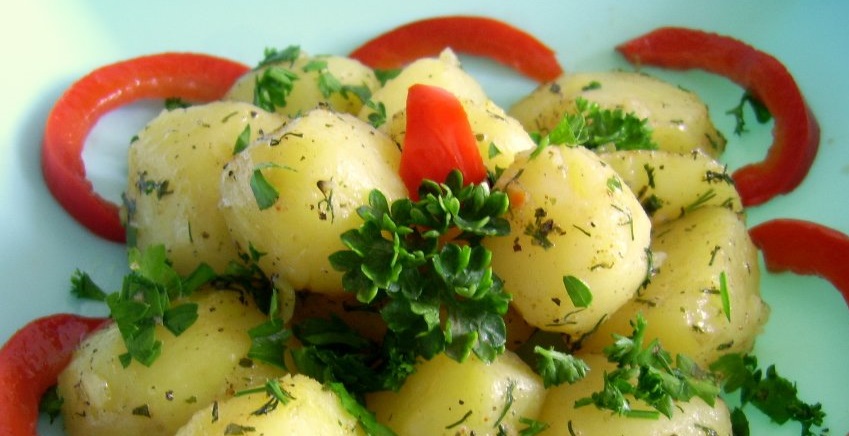
Here is my New potato salad:

- 3-4 small new potatoes per person
- a handful of scallion, fine chopped
- a few spoons of olives
- 2-3 spoons olive oil
- 2-3 spoons balsamic vinegar
- your favorite herb, finely shredded. I like parsley.
- optionally, a handful of pickled mushrooms, pickled peppers, or a can of sardines or some marinated fish, shredded.
- optionally 1-2 hard boiled eggs

Put the small potatoes in hot salted water, over low heat. Don't peel them.  Let them boil for 15-20 minutes or until they are tender. Drain immediately and put in cold water for a couple of minutes.
Cut in slices and add the balsamic vinegar. Cover and let rest until lunch or dinner.
Or let them in the fridge for 24h, for a lower GL.
Put them in a large bowl and add the scallion, finely chopped, the olives, the olive oil. If you wish, add some pickled mushrooms or marinated fish or a can of sardines. Stir gently.
Decorate with parsley, red peppers and the hard boiled eggs.

Last but not least, you can't have a fast food menu without burgers. Keep in touch, I'll post more Fast Food healthy recipes.


2013-04-30

Squash Mash and other goodies


Here comes Summer with my favorite vegetable: squash or zucchini.
I could eat tasty cooked squash at breakfast, lunch and dinner and won't get bored. Plus, it's the least expensive on the peasant market, you can store it in the fridge for a week, it has so few calories you don't bother to think about and you can cook it very quickly.
Squash is your diet's best friend.

There are thousands of recipes on the web, but I prefer the traditional ones of my family.

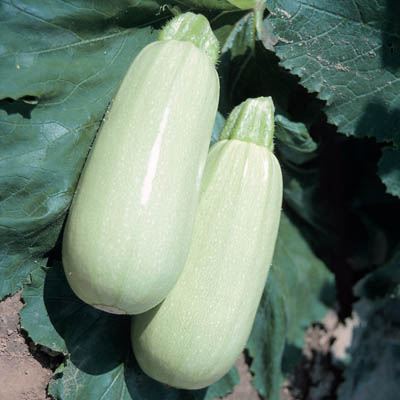
The variety of squash I use is light green and is known maybe as Middle Eastern squash. But you can use as well zucchinis. During summer and autumn, we peel larger squashes but in Spring just wash them thoroughly and slice off the stem.

Don't be surprised if you recognize some of the recipes. Romanian Cuisine has borrowed a lot from Middle East, Greek and French ones. We always adapt recipes to our local ingredients and tastes and the result is yumi.

I also tend to simplify any recipe that comes my way to make it healthier and easier to cook, while improving the taste.
Creative cooking, yeah...
I don't add bread crumbs, I don't add starch to thicken the sauce, no MSG, no "Vegeta" (a popular taste "improver" in Romania), I usually cut the salt to a pinch. I prefer to boil, stew and stir-fry instead of  baking.

Squash Mash

Squash Mash with a bit of fresh cheese or yogurt makes an excellent snack or side dish for a South Beach menu, Phase I and Phase II. 
It takes some time to make it but you can store it in the fridge for a week and serve it cold, whenever you want a snack, a salad or a side dish.

Ingredients for a lot of portions
4 medium size squashes or zucchinis
2 spoons of vegetable oil
1tsp salt

Directions
Cut the squash in 1-inch chunks, put them in a deep pan, add the salt and the oil.
Don't add water (you'll spoil the taste). Cover and stew them over very low heat.
After water gets out of the squash, remove the lid.
Boil it until quite tender over moderate heat, stirring from time to time.
Start mashing it (you can do that with a wooden spoon or a potato masher).
Boil it for 15 minutes more or until the water evaporates. Mash from time to time.
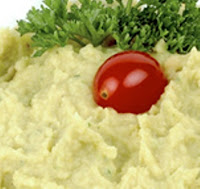
Don't bother if the squash mash sticks a bit to the pan, it'll taste better. Cut the heat and finish mashing.
Let the mash cool down.

At serving time, add a bit of balsamic vinegar or lemon juice and some very finely chopped scallion or onion or garlic and/ or your favorite herbs.
I like squash mash on toast or with fresh cheese or yogurt.


Stuffed Zucchinis

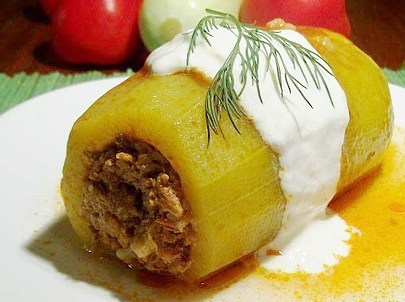
Stuffed Zuchinis are an excellent option for a South Beach Lunch or Dinner, Phase I (without rice) and Phase II. Also, if you replace meat with mushrooms and other veggies, you get a delicious recipe for a non-meat day.
A little work, but it tastes so good!

Ingredients for 8 portions

8 shorter, rounder zucchinis or squashes (or 4 thick long zucchini or squashes cut in half)
1 pound ground meat. Any meat will do, best results with a mixture of pork and beef.
2 spoons of rice. If you're on the South Beach Diet, Phase I, you may want to replace rice with an egg.
1 small carrot finely grated
2 medium sized onions, finely chopped
1 cup of thick tomato juice or two spoons of tomato paste
1 teaspoon table salt
Pinch of ground black pepper
2 spoons of your favorite herbs. I like parsley or dill.
4 spoons vegetable oil
1 spoon paprika powder or a bell pepper finely chopped
2  tomatoes

Directions
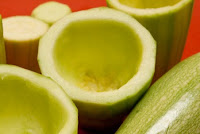
- Prepare squash for stuffing. Wash and slice off the stem and about one inch more from the top. Use a spoon or a vegetable corer to scoop out the pulp of
each squash, leaving a wall of 1/4 - 1/2 inch all around.
Don't throw the pulp or any zucchini left, you can use it for an excellent zucchini mash or you can add it to a veggie soup.


- Wash very well the rice.
- Stew the onions, carrot (and bell pepper, if used instead of paprika powder) in oil, no more than 2 minutes. Let it cool.
- Mix thoroughly the grounded meat with the onions, carrot, the oil in which you stewed the onions, bell pepper or paprika, salt, pepper, the chopped herbs and the tomato juice.
- Slice the tomatoes in rounds
-Stuff the squash all the way to the end and arrange in a large round pot in one layer (the squashes may stand or lean into each other). Put a tomato slice as a lid, on top of each zucchini.
- Boil water in a separate pot and gently pour over the squash, while still hot. The liquid should reach almost the top of the squashes.
- Bring the squashes pot to a boil over medium-high heat, reduce the heat to low, cover and simmer for one hour.
Let it rest for half an hour, covered.

Serve each zucchini on a plate with 1-2 spoons of the sauce and, optionally,  1-2 spoons of yogurt on top. Decorate with some green herb.


Tips
- If you're left with some meat mixture, stuff some tomatoes (scoop out the pulp) or some bell peppers (from which you've removed the seeds) and add them to the pot. Put a slice of tomato as a "lid" on top of the tomato or bell pepper.
Actually, during summer, I replace sometimes half of the squash with tomatoes and green bell peppers or "paprika" peppers. I add the pulp of the tomatoes to the meat mixture and use less tomato juice or paste.
- Another option.  If you're left with some meat mixture: add an egg, mix well, form balls, boil them on low heat and add them to any soup.

This dish can be easily made into a veggie recipe
Instead of meat,  use rice, the pulp of the squash and a handful of mushrooms. Boil half a cup of rice in 3 cups of water till the grain doubles in size, cover and set aside to cool.
Stir-fry the mushrooms and the pulp of the squash to remove water.
You might want to add some more vegetables to the mixture. Use your imagination and what you can find in the fridge.
Mix rice and fried vegetables, fill squashes a.s.o.
If you're left with some of the rice mixture, add a bit of tomato paste and stew for 10 minutes in low heat. There, you have also a tasty veggie pilaf for the next day menu.


Fried Zucchini Rounds

Ingredients for 2 portions

Oil for frying
Garlic or garlic sprouts
2 small zucchinis or squashes
salt

Directions

Wash zucchinis.
Place the zucchini into a colander in the sink, and lightly sprinkle with salt, tossing to coat.
Let sit for 20 minutes, then pat very dry with paper towels.
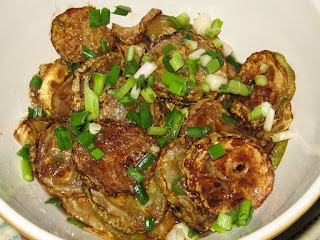
Fry until golden brown, on medium heat, for about 2 minutes.
Flip it over to brown on other side.
Drain well, transfer to a bowl. Add a spoon of vinegar and finely chopped garlic or garlic sprouts and toss gently.
Cover and let it cool for 15 minutes.

Serve as a salad or a snack or use it to make Chicken and Zucchini with Tomato Sauce (see below)


Squash Summer Soup


In a hot summer day, it's the perfect dish to start a  lunch, very refreshing and excellent for thirsty people. You can eat it several days this soup without getting bored.
Best for your South Beach Lunch or Dinner in Summertime, Phase II. For South Beach Diet, Phase I, skip the rice part.


Ingredients for a pot of soup

1 medium size carrot
1 medium size onion or 6-8 scallions (a bundle), bulbs and green leaves
1 green bell pepper
1 medium size celeriac with sticks and some of leaves (or 2 celery sticks)
Optionally, 1 small parsley root
Optionally, 1 small parsnip root
2 medium size zucchinis
6 cups of water
3 spoons of rice
Your favorite herbs for seasoning
3 spoons of oil
Fresh juice form 1/2 lemon
1 tsp salt
Optionally, 1 egg
Half a cup yogurt

Directions

Wash well the vegetables.
Put the pot with the water, oil and salt on medium heat.
Cut the carrot in slices, chop finely the onion or scallion, the roots, the celeriac or celery, the bell pepper.
Add to the soup and let it simmer, with the lid partially open, for 15 minutes or till the carrot and onion are almost done.
Wash well the rice and add it to the soup. Let simmer for 10 minutes or until the rice is half done.

Cut the zucchinis into 1/2 inch chunks. Add them to the soup and let simmer for 10 minutes or until zucchinis are soft. Set the heat low.

Mix the yogurt, the egg (optionally) and lemon juice and add the mixture slowly to the soup stirring gently.
Let it simmer for a couple of minutes, add the chopped herbs, cut the heat and cover.
Let it rest for half an hour.

Serve with a sprinkle of finely cut herb. Put a bowl of yogurt on the table and some lemon juice or lemon slices. If needed, more lemon juice or yogurt can be added.

It's tastier eaten cold.


Zucchini and Chicken in Tomato Sauce

A recipe for all menus, Lunch or Dinner. Buy the fried chicken and the sauce on your way home. Fry quickly some zucchinis and you have a perfect healthy fast food.

Ingredients for 4 portions
4 fried chicken portions
Fried zucchini rounds (see above)
You can make it with your favorite tomato sauce or make the one below.

For the tomato sauce:
1 medium size onion
1 medium size carrot
1 bell pepper, any colour, seeded
2-3 cloves of garlic
4 medium size tomatoes, peeled and crushed or cut into small chunks. To peel them easier, just put them for half a minute in boiling water.
2 spoons of vegetable oil
Your favorite herbs and spices. I use parsley, a pinch of pepper, a pinch of all spices and a bay leaf.
1 spoon of balsamic vinegar and 2 spoons of cooking wine.
A dash of salt

Directions

Tomato Sauce
Cut the onion, the bell pepper and the carrot to fine pieces.
Heat oil in a skillet over medium-high heat. Add the onion, carrot and bell pepper. Stir fry until the onion becomes glassy.
Gradually stir in the tomatoes.
Set the fire to low, cover and let it simmer for 10 - 15 minutes, until the sauce becomes bright red.
Add the salt, crushed garlic, the spices, the vinegar and the wine. Stir gently and let it simmer for 5 more minutes.
Taste, and adjust seasonings if desired.
Thin the sauce down if necessary with stock, water or wine.

Putting all together
Put the chicken pieces and the fried zucchinis in the tomato sauce and simmer for 10 minutes, covered.
Cut the heat, sprinkle with finely chopped herbs, cover and let it rest till serving time.